

PVC Roofing
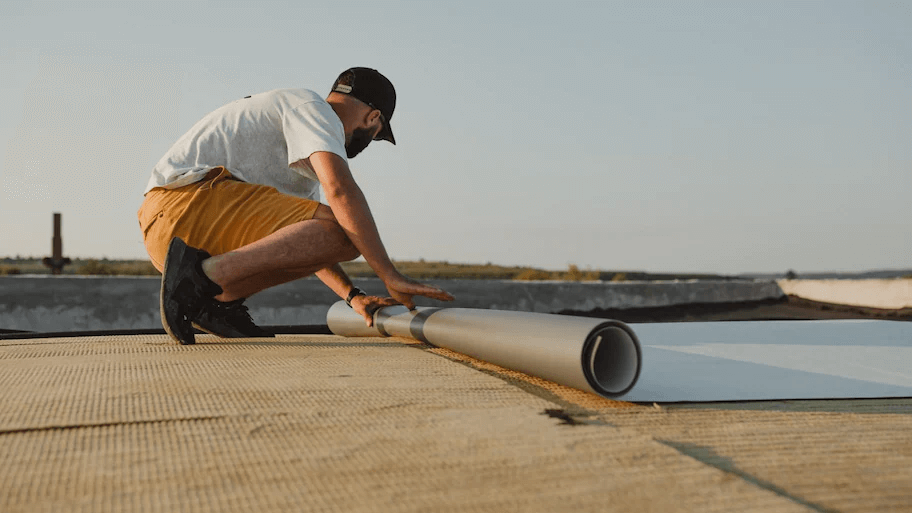
Altitude Roofing is a Worcester-based, woman-owned roofing contractor providing PVC membrane installation, replacement, repair, and maintenance for commercial and industrial properties throughout Massachusetts and greater New England. PVC can also be a strong option for certain low-slope residential roofs, additions, porches, and other flat-roof areas when the roof assembly is properly designed.
With more than 20 years of roofing experience, our family-owned business works with general contractors, facility managers, commercial building owners, municipalities, and homeowners to deliver reliable roofing solutions. We are fully licensed and insured and install manufacturer-backed systems, including PVC products from leading manufacturers, to meet the demands of New England weather.
From roof inspections and leak diagnostics to complete PVC installation, replacement, and repair, Altitude Roofing helps Massachusetts property owners choose a membrane system that fits the building, budget, roof conditions, and long-term performance goals.
What Is PVC Roofing and Why Choose It for Your Building?
Polyvinyl chloride (PVC) roofing is a reinforced, single-ply thermoplastic membrane used primarily on low-slope and flat roofs. PVC roof membranes are formulated with stabilizers and other components that provide flexibility, weather resistance, and weldability; many systems also include polyester or fiberglass reinforcement for added strength or dimensional stability.
PVC is often considered for commercial and industrial buildings where heat-welded seams, reflectivity, grease resistance, or resistance to certain chemicals are important. It can also be used on appropriate low-slope residential applications. Product selection should always account for the specific roof assembly, building use, exposure, and manufacturer requirements.
PVC roofing has been used for low-slope roof systems for decades. Its heat-welded seams, reflective membrane options, and resistance to many oils, greases, fats, and chemicals can make it especially well-suited for restaurants, food-processing facilities, and certain manufacturing or industrial buildings. Chemical compatibility varies by product, so the specific exposure should be reviewed with the membrane manufacturer before selection.
The Pros and Cons of PVC Roofing Membranes
PVC can be an excellent membrane choice, but the right roof system depends on the building, substrate, drainage, insulation, exposure, budget, and warranty goals. Key advantages and considerations include:
PROS
- Can be specified as part of a Class A-rated roof assembly when the complete tested/listed assembly qualifies
- Reflective membrane options can reduce rooftop heat gain and support building energy performance
- Strong resistance to many oils, greases, fats, and chemicals; compatibility varies by product and exposure
- High solar reflectivity is available in white and other reflective membrane colors
- Hot-air welded seams create a continuous, watertight bond; properly welded seams are a major strength of PVC systems
- Potential for a long service life, often 20-30+ years when properly designed, installed, and maintained; actual life varies by system and conditions
- Reinforced membrane options provide strong tear, puncture, and dimensional-performance characteristics
CONS
- Upfront cost can be higher than some EPDM or TPO options, depending on membrane thickness, attachment method, insulation, details, and project conditions
- Repairs require compatible PVC materials, proper cleaning/preparation, and hot-air welding by trained roofing technicians
- PVC is incompatible with direct contact with certain materials, including some asphalt/bitumen-based products; approved separation layers or compatible details may be required
- Cold-weather installation can require manufacturer-specific temperature limits, adhesives, storage, and installation procedures
- Like all low-slope roof systems, PVC details must accommodate building movement, penetrations, drainage, substrate conditions, and temperature changes
PVC vs. TPO vs. EPDM: Which Membrane Is Right for Your Roof?
PVC, TPO, and EPDM are all established low-slope roofing options, but they are not interchangeable. PVC and TPO are thermoplastic membranes with heat-welded seams, while EPDM is a synthetic rubber membrane that typically uses taped or adhesive seam systems.
PVC is often selected when grease, oils, or certain chemical exposures are a concern; TPO is commonly chosen for reflective thermoplastic roofing; and EPDM remains a widely used, durable rubber-roof option. The best choice depends on the building use, existing roof, drainage, insulation, rooftop equipment, exposure, budget, and warranty goals—not on a single material being “best” for every property.
How PVC Roofing Is Professionally Installed in Massachusetts
A PVC roof should be designed and installed as a complete roof assembly in accordance with applicable Massachusetts building and energy codes, manufacturer specifications, and project requirements. Typical steps include:
- Inspect and prepare the roof deck or existing substrate; address wet, damaged, or unsuitable materials
- Evaluate air/vapor-control needs and install a compatible vapor retarder only when required by the roof design or specification
- Install or replace code- and project-compliant insulation and cover board as required by the assembly
- Lay out the PVC membrane and complete perimeter, penetration, drain, curb, and flashing details
- Mechanically attach or fully adhere the PVC membrane as specified, then hot-air weld seams and perform seam-quality checks
Altitude Roofing installs and repairs PVC membrane systems for commercial, industrial, and appropriate low-slope residential applications in Massachusetts. Our team works with manufacturer-specific system details and project specifications to support long-term performance and warranty compliance.
Partnering with an experienced roofing contractor is important because PVC performance depends on the entire assembly, including substrate preparation, attachment, flashing, drainage, and precise hot-air seam welding. Some manufacturer warranties require installation by an approved or authorized contractor and compliance with specific system details. Installation quality is a major factor in long-term roof performance.
Massachusetts & New England Considerations for PVC Roofing
Massachusetts roofing projects must account for applicable building and energy-code requirements, wind design, insulation, drainage, snow and ice conditions, and manufacturer-specific installation requirements. Worcester is a Specialized Energy Code community, so applicable insulation and energy requirements should be evaluated as part of reroofing scope when required.
For winter work, membrane type, adhesive selection, substrate temperature, material storage, and manufacturer temperature limits all matter. A cold New England day does not automatically rule out PVC installation, but the system must be installed within the manufacturer’s approved conditions and procedures.
PVC Roof Repair & Maintenance for Commercial and Low-Slope Residential Roofs
PVC maintenance and leak repairs commonly address:
- Drains, scuppers, and drain-flashing details
- Flashing at walls, curbs, penetrations, and roof edges
- Punctures, cuts, open seams, or other mechanical damage
PVC roofs can often be repaired with compatible membrane patches and hot-air welding after the existing membrane is properly cleaned and prepared. On older or heavily weathered roofs, the membrane condition and weldability should be evaluated before repairs are performed.
PVC Roofing FAQs
Can PVC roofing be used on a residential property?
Yes. PVC is most common on commercial and industrial low-slope roofs, but it can also be appropriate for homes with flat or low-slope sections such as additions, porches, dormers, garages, and modern roof designs.
How long does a PVC roof last?
A properly designed, installed, and maintained PVC roof can provide decades of service. Actual lifespan depends on membrane type and thickness, installation quality, exposure, drainage, foot traffic, maintenance, and the overall roof assembly.
Can an existing PVC roof be repaired?
Often, yes. Many punctures, flashing defects, open seams, and localized damage can be repaired using compatible PVC materials and hot-air welding. The existing membrane should first be inspected for condition, contamination, moisture, and weldability.
Is PVC roofing good for restaurants?
PVC is frequently considered for restaurants and food-service buildings because many PVC membranes have strong resistance to grease, fats, oils, and certain chemicals. Specific chemical exposures should still be checked against the manufacturer’s compatibility guidance.
Is white PVC roofing more energy efficient?
White and other reflective PVC membranes can reduce solar heat gain at the roof surface. Whole-building energy performance also depends on insulation, air sealing, roof assembly design, climate, and building operation.
How do I know whether PVC, TPO, or EPDM is right for my building?
A professional roof assessment should consider the existing system, deck, moisture, drainage, insulation, rooftop equipment, building use, chemical or grease exposure, budget, and warranty goals before a membrane is selected.
Choose Altitude Roofing for PVC Roofing in Worcester & Massachusetts
Based in Worcester, Altitude Roofing serves commercial, industrial, municipal, and residential customers throughout Central Massachusetts, MetroWest, Boston-area communities, and select areas across greater New England. Our team has experience with major membrane manufacturers, including Sika Sarnafil and Carlisle, and can help property owners evaluate whether PVC, TPO, EPDM, or another roof system is the right fit for the project.
Contact us or call (508) 963-7794 today to request a free estimate for your PVC roofing project!